Your guide to 4 ply vs DK: UK yarn equivalents explained
If you have ever stood in front of a yarn shelf wondering whether 4 ply is the same as DK, you are not alone. Yarn names can feel like a different language, especially when patterns mix UK and US terms. The good news is that once you know a few basics, choosing the right ball becomes wonderfully straightforward.
In this guide, we will walk through what 4 ply means, how it compares with DK, safe substitution tips, and when each yarn shines. We have also included a simple UK yarn weight table, a printable swatch checklist, and a friendly invite to pop into our Shrewsbury Market Hall shop if you would like a hand in person.
What 4 ply means in the UK
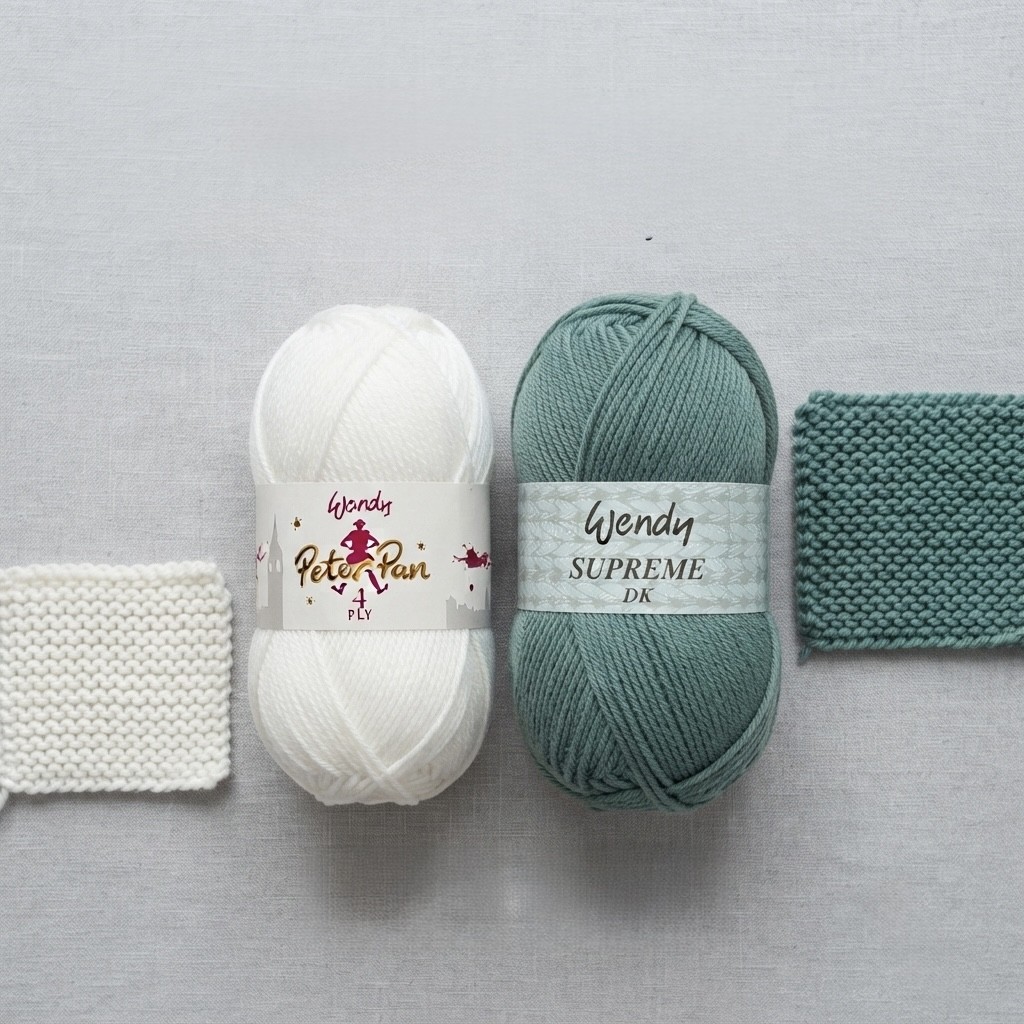
Historically, ply described the number of strands twisted together to make a yarn. Today it is mostly a size name rather than a literal strand count. In the UK, 4 ply usually means a fine, lightweight yarn typically used for socks, baby knits, lacey cardigans, and delicate crochet shawls.
- Common meterage: about 350 to 425 metres per 100 g (roughly 175 to 210 m per 50 g)
- Typical knitting needles: 2.5 to 3.25 mm
- Typical crochet hooks: 2.25 to 3.5 mm
- US equivalent name: Fingering weight
- Other names you may see: Sock yarn, fingering, baby weight (informal)
So when you see 4 ply on a UK label, think fine but versatile. It is brilliant for detail and drape, and it blocks beautifully.
What DK means in the UK
DK stands for Double Knitting. It is the UK’s reliable, mid weight all rounder and one of the easiest yarns for beginners to handle.
- Common meterage: about 200 to 300 metres per 100 g (roughly 100 to 150 m per 50 g)
- Typical knitting needles: 3.75 to 4.5 mm
- Typical crochet hooks: 4 to 5 mm
- US equivalent name: Light worsted or DK
DK works for jumpers, hats, scarves, blankets, and everyday kidswear. It grows faster than 4 ply and gives a bit more warmth and body.
Is DK yarn 4 ply, and can you swap them?
Short answer, no, DK is not 4 ply. They are different weights. That said, you can sometimes substitute DK for 4 ply with care.
Safe substitution steps:
- Compare meterage, not just the name. If your pattern expects around 400 m per 100 g and your yarn has 240 m per 100 g, that is a big shift.
- Make a gauge swatch. Work the pattern’s stitch and row count over at least a 12 to 15 cm square, then wash and block it.
- Adjust needle or hook size. Move up or down in small steps until your blocked swatch matches pattern gauge.
- Consider fabric feel. Even if you hit gauge, DK will often feel thicker and warmer than 4 ply. For lace panels or delicate drape, 4 ply generally wins.
When it works:
- Simple scarves or cowls where size is flexible
- Blankets with modular squares if you are happy to adjust repeat counts
- Some top down garments if you are confident tweaking increases and trying on as you go
When to avoid:
- Socks written for 4 ply, especially with heel-turn maths and negative ease
- Fitted lace cardigans or shawls that rely on lightness and fine stitch definition
- Baby garments where exact sizing and light weight are important
Quick UK yarn weight guide
Here is a handy at a glance list to keep nearby.
- 2 ply, lace weight, very fine, shawls; 600 to 800 m per 100 g
- 3 ply, light fingering, lace and heirloom knits; 450 to 550 m per 100 g
- 4 ply, fingering or sock, baby knits and socks; 350 to 425 m per 100 g
- Sport, light DK, rare in UK shops; 300 to 350 m per 100 g
- DK, light worsted, garments and blankets; 200 to 300 m per 100 g
- Aran, worsted or heavy DK in some labels; 150 to 220 m per 100 g
- Chunky, bulky, quick projects; 100 to 140 m per 100 g
- Super Chunky, super bulky, very quick; under 100 m per 100 g
If you would like to browse by weight, you can explore our knitwear yarn overview where we group 4 ply yarn, DK, and aran yarn with simple explanations and examples.
Choosing 4 ply vs DK for your project
Pick 4 ply when you want:
- Lightness, drape, and crisp stitch definition
- Longer yardage per ball for delicate textures
- Breathable layers for babies and spring tops
Pick DK when you want:
- Balanced warmth and speed of growth
- Straightforward gauge for many UK patterns
- An easy introduction to knitting or crochet
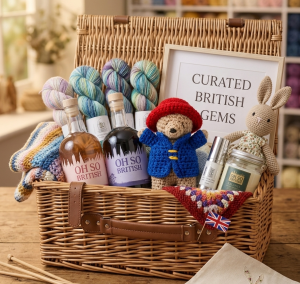
Our Oh So British premium yarn picks:
- For a featherlight shawl or summer tee, try a soft 4 ply blend from our knitwear yarn range, ideal for openwork and tidy rib.
- For everyday jumpers, charity knits, and family hats, DK options in our knitting kits area make a great start point, with colours chosen to play nicely together.
You can explore our current yarns and kits here:
How to swatch for a stress free substitution
A good swatch saves unpicking later. Try this simple routine.
- Cast on enough stitches to create at least a 12 cm square in the pattern’s stitch, for example stocking stitch, single crochet, or the main texture.
- Work until the height matches the width, then lightly wash and lay flat to dry.
- Measure across the centre, not the edges. Compare to the pattern’s stitches and rows per 10 cm.
- Adjust needle or hook size and repeat if needed. One change either way can make all the difference.
- Note the fabric feel. If it is stiffer or floppier than you want, tweak again or change yarn weight.
You can print and tuck this checklist into your project bag:
- Pattern gauge: ____ sts and ____ rows per 10 cm
- My swatch 1: ____ sts and ____ rows per 10 cm, needle/hook: ____
- My swatch 2: ____ sts and ____ rows per 10 cm, needle/hook: ____
- Final choice and notes on drape: __________________________________
FAQs for quick clarity
- What does 4 ply yarn mean? In the UK it is a size name for a fine yarn, often around 350 to 425 m per 100 g, used for socks, baby knits, and delicate projects.
- What is 4 ply in the UK called elsewhere? US patterns usually call it fingering weight. You may also see sock yarn.
- Is DK yarn 4 ply? No. DK is thicker, with fewer metres per 100 g and larger needle sizes.
- Can you use DK instead of 4 ply? Sometimes, with a careful gauge swatch and a willingness to adjust needles, hook, and stitch counts. For socks and lacey garments, stick to 4 ply.
- What is another name for 4 ply yarn? Fingering weight or sock yarn are the most common.
- What is 4 ply yarn in UK equivalent? The UK term is 4 ply; the US equivalent is fingering.
Pop in for help, or order with free UK delivery over £30
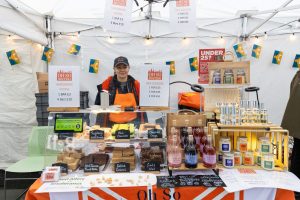
If you would like help matching a pattern to the perfect yarn, bring your project to our stall at The Shrewsbury Market Hall, Claremont Street, Shrewsbury, SY1 1HQ. We are always happy to chat needle sizes, meterage, and colour pairing.
Prefer to shop from the sofa. We offer tracked delivery, and orders over £30 qualify for free UK shipping. You can also keep an eye on any seasonal yarn sale updates here: https://www.ohsobritish.com/yarn/sale
Summary
- 4 ply is a fine UK yarn size, usually called fingering in the US.
- DK is thicker than 4 ply and not the same thing.
- Substitution can work when you swatch, block, and check gauge, but choose 4 ply for socks and delicate lace.
- Use the quick weight list and printable swatch checklist to keep projects on track.
And if you get stuck, we are right here to help. Bring your questions to our Shrewsbury Market Hall shop, or browse our yarns, kits, and British knitting yarns online with free UK delivery over £30.